Fold recommends these best practices for sending patient campaigns—designed to drive engagement while maintaining trust, compliance, and clinical appropriateness.
1. Start with a clear call to action
Every campaign should answer one question: what action do we want the patient to take?
Examples:
Complete a form or consent
Read this information
Schedule or confirm an appointment
Enroll in a program (APCM, Diabetes Care)
Provide feedback or a review
2. Segment your audience
Use Fold population groups to address the exact group of patients your message is designed for. When appropriate, segment by:
- Visit status (new, established, post-visit)
- Clinical criteria (chronic conditions, eligibility)
- Timing (recent appointment, overdue follow-up)
- Engagement level (active vs. dormant)
Targeted campaigns feel personal and reduce opt-outs.
3. Use the right channel(s)
Different messages work better on different channels.
- SMS → urgent, short, action-oriented (confirmations, reminders)
- Email → longer-form education, onboarding, summaries
- Fold Care patient app → tasks, forms, ongoing program engagement
Best practice: meet patients where they already engage, not everywhere at once.
4. Keep messages short, clear, and human
Patients skim. Use:
- Plain language (avoid jargon)
- One primary call to action
- Friendly, reassuring tone
5. Use graphic design and videos to increase engagement
- Leverage Fold's content suite to configure emails and forms with professional headers & footers, logos, media, and your organization's brand colors
- Share educational videos from reputable sources. Ensure videos are polished, linked from your own website, with professional and clear titles
- Use media, such as images and infographics, to enhance your emails
- Use emojis when appropriate to make messaging more eye-catching and personable
6. Time it thoughtfully
- Send reminders close to the call to action (24–72 hours)
- Space multi-touch campaigns so they don’t feel like spam
- Avoid early mornings, late nights, and weekends (unless urgent). Leverage this checkbox in Fold's automation delay nodes:

Cadence matters as much as content.
7. Automate but keep it context-aware
Automation works best when it’s:
- Triggered by real events (appointment booked, form submitted)
- Personalized with patient-specific details. Use Fold merge tags to personalize messaging with names, appointment details, etc.
- Able to hand off to staff when needed
Patients should feel supported, not “processed.”
8. Be Explicit About Why You’re Reaching Out
Trust increases when patients understand the “why”:
- “Because you recently visited…”
- “Since you’re eligible for…”
- “To prepare for your upcoming appointment…”
Context reduces confusion and increases response rates.
9. Respect Consent, Preferences, and Compliance
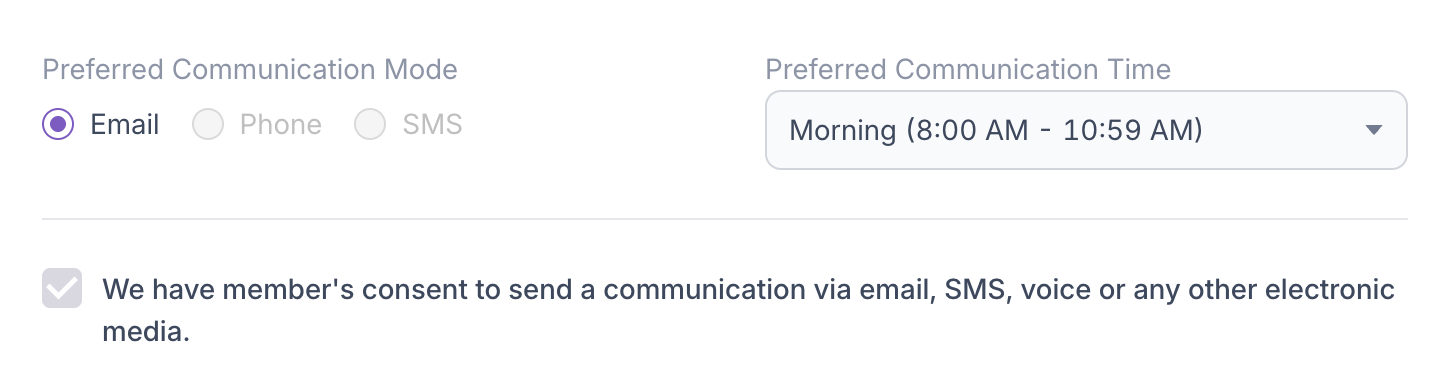
- Send only to patients who have opted in - talk to your Fold Customer Success Manager to learn more about Fold's integration with your EHR's consent to communicate fields.
- Honor communication preferences
- Exclude PHI from SMS
- Include opt-out instructions where required
10. Measure and improve
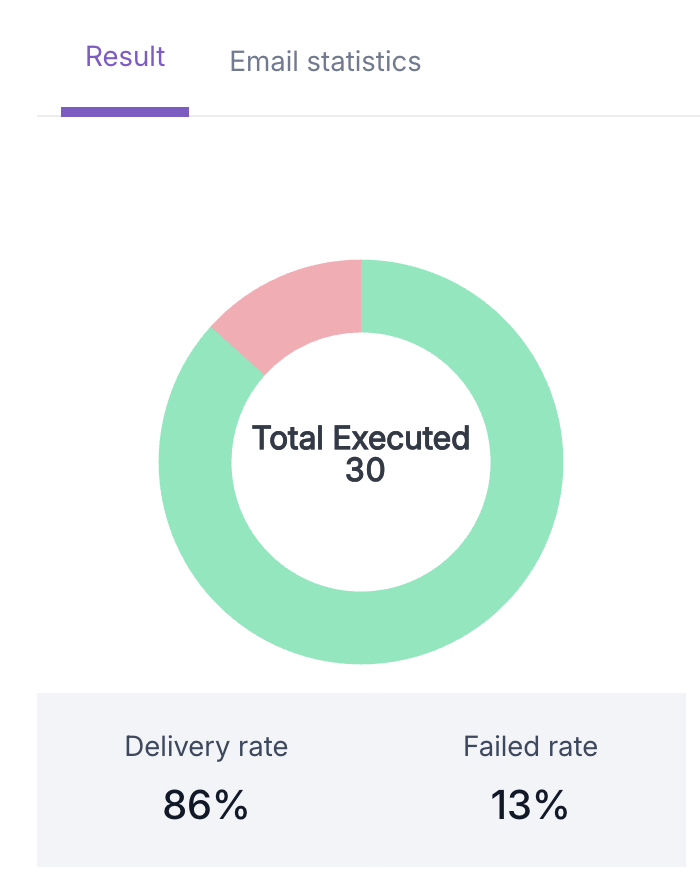
Use Fold analytics to track form completion rates, communication success, and opt-outs. Use results to refine timing, wording, and segmentation over time.
11. Make it feel like care—not marketing
The best patient campaigns feel like an extension of care delivery:
- Helpful
- Timely
- Relevant
- Respectful
If a message wouldn’t make sense coming from a clinician or care team, rethink it.
Was this article helpful?
That’s Great!
Thank you for your feedback
Sorry! We couldn't be helpful
Thank you for your feedback
Feedback sent
We appreciate your effort and will try to fix the article